
Why Tesla Might Launch a Smartphone
Why Tesla Might Launch a Smartphone
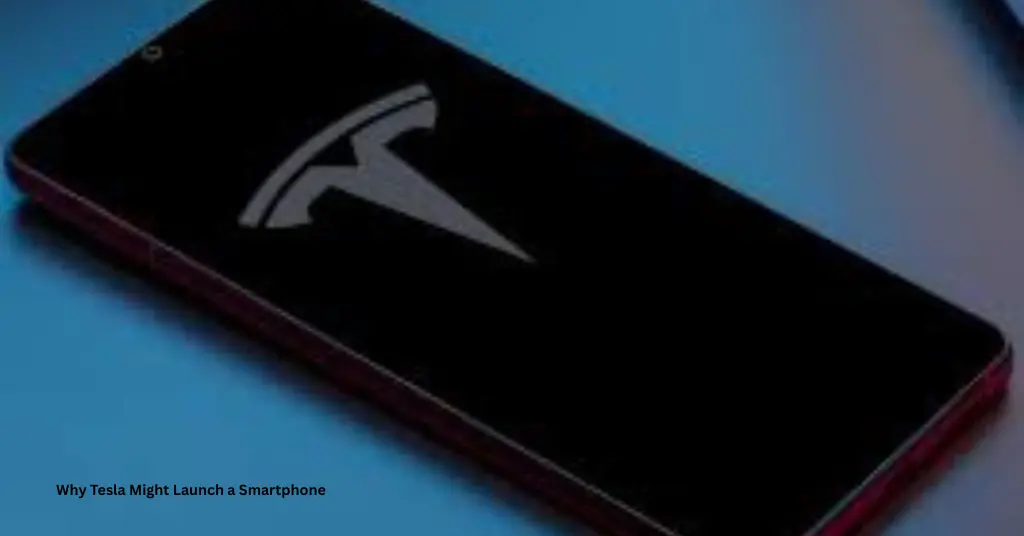
Tesla Pi Phone Launch a Smartphone speculation has grown around the possibility of Tesla entering the smartphone industry. While the company is best known for electric vehicles, energy storage systems, and AI-driven technologies, the idea of a “Tesla phone” continues to circulate among tech enthusiasts. A Tesla smartphone is not officially confirmed, but analyzing the company’s strategy, ecosystem ambitions, and technological direction helps explain why such a move could make sense.
Expanding the Tesla Ecosystem
One of the strongest reasons Tesla might consider launching a smartphone is ecosystem expansion. Tesla already builds a tightly integrated environment across its vehicles, solar products, and energy solutions. A smartphone could become the central control hub for this ecosystem. Tesla Pi Phone Global Distribution Strategy For example, Tesla owners currently use mobile apps to control car functions like climate settings, unlocking doors, charging status, and navigation. A dedicated Tesla phone could take this integration further by offering deeper hardware-level connectivity, faster response times, and exclusive features that standard smartphones may not support. By creating its own device, Tesla could reduce dependence on Apple iOS and Android platforms, giving it more control over software updates, user data, and feature innovation.
Integration with Starlink and Satellite Communication
Another major factor is Tesla’s close association with satellite internet technology through Starlink, developed under SpaceX. A Tesla smartphone could potentially integrate directly with satellite connectivity, allowing users to stay connected in remote areas without relying on traditional cellular networks.
This would be especially valuable for drivers, travelers, and people in rural regions. Even though current smartphones are beginning to experiment with satellite messaging, Tesla could aim to push this technology further by offering broader bandwidth, real-time communication, and vehicle-to-satellite coordination.
Tesla has heavily invested in artificial intelligence, particularly in self-driving technology and neural network systems. A Tesla smartphone could extend this AI capability into daily consumer life.
Instead of relying on traditional mobile interfaces, a Tesla phone might prioritize voice commands, predictive automation, and contextual assistance. For instance, the phone could automatically adjust your Tesla car’s settings based on calendar events, traffic conditions, or even biometric data.
Hardware Innovation Opportunities
Tesla is known for pushing boundaries in hardware design, especially in electric vehicles and battery systems. A smartphone would give the company a new platform to innovate in areas such as:
If Tesla applied its engineering philosophy to smartphones, it could introduce devices that focus more on efficiency and durability rather than just aesthetics.
Currently, Tesla’s mobile app experience depends on Android and iOS ecosystems. This means Tesla is subject to platform restrictions, app store policies, and third-party limitations.
Instead of competing purely on app ecosystems or camera quality, Tesla could position its phone as a specialized device for mobility, automation, and connectivity.
Potential Challenges Hardware Manufacturing Complexity
Smartphone production requires precision manufacturing at scale, which is different from Tesla’s automotive-focused production systems.
Without a strong app marketplace, even the most advanced phone would struggle to attract users.
The smartphone market is mature, meaning innovation must be extremely compelling to justify a new entrant.
This level of independence would give Tesla more freedom to innovate without external constraints.
Strategic Motivation Term Vision
If Tesla were to enter the smartphone space, it would likely not be for short-term profit. Instead, it would align with its long-term vision of building an interconnected ecosystem of transport, energy, AI, and communication.
In this sense, the phone would not just be a communication device but a central node in a broader technological network.
Apple and Android have deeply embedded ecosystems with millions of apps. Convincing users to switch would be difficult.
Despite the advantages, launching a smartphone would not be easy. The global smartphone market is highly competitive and dominated by established brands with massive supply chains and app ecosystems.
FAQ’s
Final Words
A Tesla smartphone remains a speculative concept, but it is not entirely far-fetched when viewed through the lens of Tesla’s broader ambitions. The company has consistently aimed to build interconnected systems that combine transportation, energy, and artificial intelligence into a unified ecosystem. A phone could logically serve as the missing link that ties these elements together in everyday life.
However, entering the smartphone industry would require overcoming significant challenges, including intense competition, ecosystem lock-in, and massive manufacturing demands. Whether Tesla chooses to pursue this path or not, the idea highlights the company’s reputation for pushing boundaries and redefining industries.
If such a device ever becomes reality, it would likely represent more than just a smartphone—it would be a control center for a fully integrated technological lifestyle powered by AI, energy innovation, and global connectivity.


