
Tesla Pi Phone Build Quality Materials and Durability
Tesla Pi Phone Build Quality Materials and Durability
Tesla Pi Phone Build Quality Materials and Durability Tesla Pi Phone a potential smartphone from Tesla, Inc. have sparked excitement across the tech world. One of the most important questions among enthusiasts and potential buyers is: What will the build quality be like? More specifically, what materials might Tesla use, and how durable will the device be? While the Pi Phone has not been officially announced, analyzing Tesla’s design philosophy in other product categories (such as vehicles and accessories), industry trends, and credible leaks can help us form a reasonable outlook.
Build quality isn’t just about aesthetics. It’s about tactile experience, long‑term durability, resistance to everyday wear and tear, and how well a device survives drops, bends, and environmental stresses. In this article, we’ll explore what we know so far or can reasonably expect regarding the materials Tesla might choose and how robust the Pi Phone could be.
Tesla’s Design Philosophy A Clue to Build Quality
Tesla Pi Phone 2025 Everything So Far Latest Updates product designs share several common themes Minimalism: Clean, uncluttered lines Premium materials: Glass and metal finishes Attention to engineering detail Performance‑driven features These traits show up in Tesla vehicles and consumer products like the Tesla Wall Connector and even the Cybertruck concept. If Tesla applies similar principles to a smartphone, the Pi Phone could emphasize both style and substance
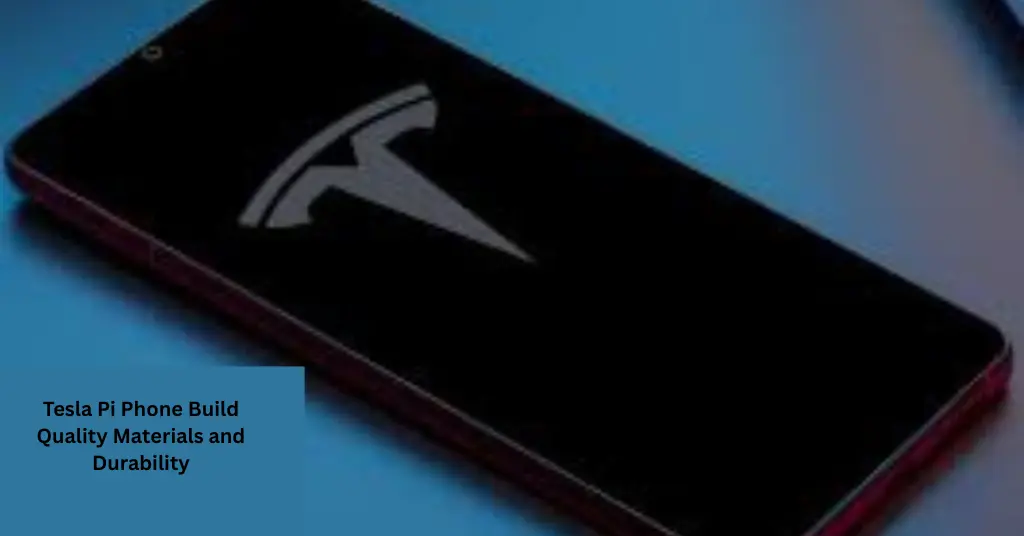
Aluminum or Stainless Steel Frame
When discussing build quality, the materials used are foundational. Here are the likely candidates for a Tesla phone High‑end smartphones today typically use one of two metals Aluminum: Lightweight and strong, used in many flagship and mid‑range phones Stainless Steel: Heavier but more durable, used in premium phones like Apple’s Pro models
A Tesla Pi Phone could lean toward stainless s teel for a more premium feel or choose aluminum to balance weight and durability Most flagship phones use durable glass panels on both the front and back. Premium options often feature Gorilla Glass Victus or Victus 2: Scratch‑resistant and tough Ceramic Shield (or equivalent): Highly impact‑resistant glass composites If Tesla wants to compete with premium devices, it would likely choose top‑tier glass protection to minimize scratches and breakage.
Some high‑end phones use ceramic or composite finishes for added durability and luxury feel. Considering Tesla’s innovation focus, this could be a possibility though cost and mass production complexity make it less likely for initial models. Build quality equals both premium materials and durability. Shock‑absorbing designs around vulnerable components
Modern flagship smartphones undergo rigorous drop tests during development. A durable Pi Phone might include Reinforced internal frame Toughened glass surfaces Tesla could also use rounded edges and strategically placed internal reinforcements to reduce impacts on key components like the display and motherboard.
Water and Dust Resistance
Today’s high‑end phones come with IP68 ratings, meaning they are fully dust‑proof and can survive immersion in water for a short time. If Tesla targets premium positioning, an IP68 (or better) rating would be expected especially for users who rely on their phone outdoors and on the go.
High‑quality glass like Gorilla Glass Victus offers excellent scratch resistance. Tesla is unlikely to compromise on this, especially if it aims to match or exceed competitor durability standards.
Materials like stainless steel and reinforced glass help ensure the phone resists bending, cracking, and long‑term wear. Given the average lifespan of modern phones is now over 3 years, structural durability is a key purchase consideration.
Fewer openings reduce entry points for dust and water. Many premium phones now adopt minimal ports and rely more on wireless connectivity. Efficient internal layout and shock‑absorbing placements for batteries and chips help improve resilience against drops and impacts.
Comparisons Tesla Pi Phone vs Competitors
Tesla’s focus on innovation and engineering excellence suggests build quality could be at or above the current flagship benchmark assuming the phone becomes a real product.
While Tesla’s past design success provides optimism, it would face unique challenges in smartphones Smartphone supply chain complexity very different from automotive High competition from experienced manufacturers Repair infrastructure and long‑term support
Although the Pi Phone’s specs are unconfirmed, it’s helpful to compare material trends in the smartphone market Any company entering the smartphone market must ensure durability and repairability to build customer trust.
FAQ’s
Final Words
Build quality is one of the most critical factors in determining a smartphone’s overall value and user satisfaction. Based on Tesla’s design ethos in its vehicles and product lineup, the Tesla Pi Phone if it becomes real is expected to use premium materials and a robust engineering approach. High‑end metal frames, tough glass, and industry‑standard water resistance would help it compete with today’s flagship devices.
However, without official information from Tesla, all expectations remain speculative. What can be said with confidence is that build quality including materials and durability will play a major role in shaping consumer perception if the Pi Phone ever enters the market. Whether Tesla chooses to push boundaries with new materials or align with established standards, the phone’s resilience in everyday use will be key to its success.


